
Trust by Design
ABOUT

Trust at work is at an all-time low.
Employees are disengaged, skeptical, and quietly making exit plans. Employers are frustrated that their culture initiatives aren't working. The gap between what organizations say about their culture and how it actually feels to work there has never been wider.
Trust by Design is our answer to that gap. It's not a workshop. It's not a keynote. It's a methodology for making trust operational — visible in behaviors, policies, and processes, not just stated in values on a wall.
·
Because trust doesn't happen by accident — and "trust us" isn't a strategy anymore.
·
· Because trust doesn't happen by accident — and "trust us" isn't a strategy anymore. ·
OUR ORIGIN STORY
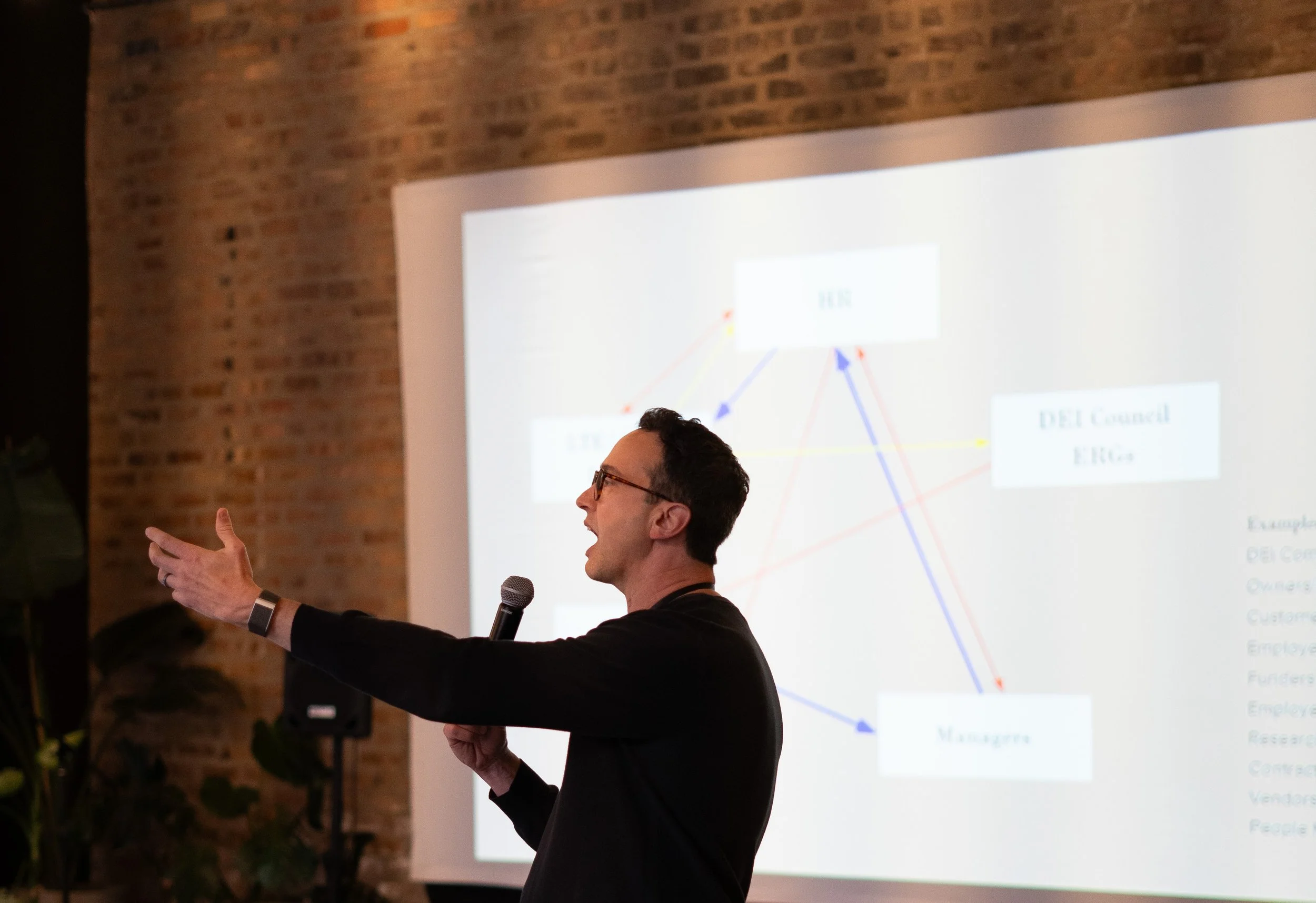
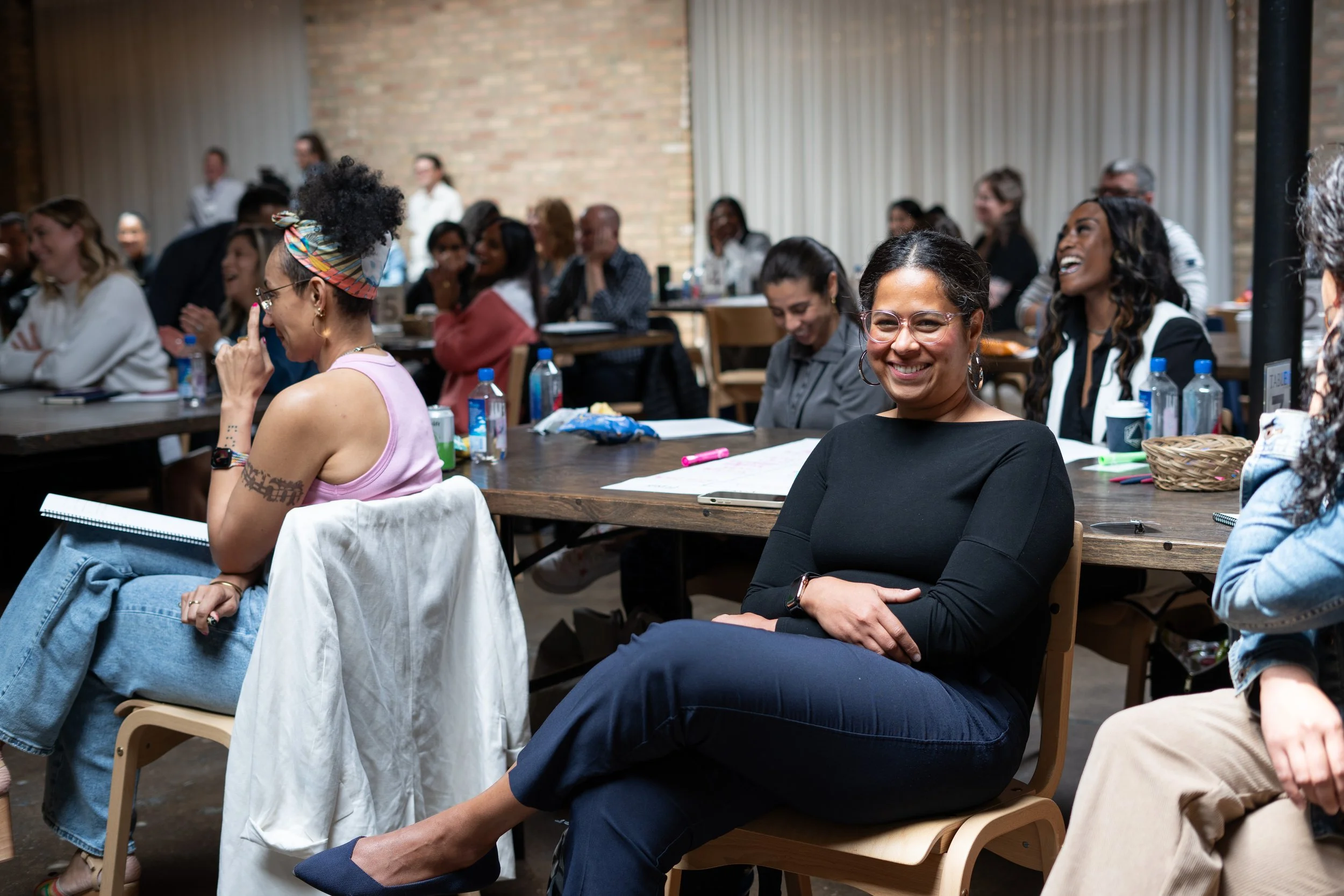
For years, we ran data-driven DEI masterclasses and offsites. We were known for being rigorous, practical, and direct.
People kept telling us: "This was better than my Cornell certification."
Then 2023 happened. DEI became politically radioactive. Companies that had invested heavily in equity work started quietly dismantling it. The word itself became a liability.
But the underlying problem didn't go away. If anything, it got worse.
Employees still need to know their employers will treat them fairly. That they won't be the first to go in a layoff and the last to know. That the policies that govern their work life are clear, applied consistently, and actually mean something.
That's trust. And organizations can't just say they have it. They have to build it — intentionally, operationally, measurably.
That's what we do now.
What Trust by Design is made of
Trust Cultivation
The relational infrastructure in an organization — how leaders behave, how teams communicate, how conflict is handled, whether people feel psychologically safe enough to tell the truth. You can't shortcut this with an offsite or a survey. It builds over time, through consistent behavior and intentional practice. We help organizations identify where trust is actually breaking down, not just where it feels uncomfortable.
Policy and Process Clarity
The operational infrastructure — hiring, performance reviews, promotion criteria, compensation frameworks, how decisions get made and communicated. When these processes are opaque, inconsistent, or poorly designed, trust erodes. When they're clear, fair, and applied consistently, trust follows. We help organizations audit and redesign these processes using the same operational excellence frameworks used in manufacturing and finance — applied to people.
The tools we use
-

Translation Matrix
A tool for reframing equity and inclusion language into operational excellence language. When DEI terminology creates resistance in finance, legal, or operations stakeholders, the Translation Matrix provides alternative framings that describe the same concepts in business-standard language. It doesn't change the goal — it changes who can get behind it. in 2026.
-

Equity Mapping
An adaptation of Lean value stream mapping applied to people processes like hiring, performance reviews, and promotion decisions. Equity Mapping makes process biases visible and prioritizable — instead of feeling like a culture problem, they become a process problem with specific intervention points.
-

Reverse-Engineering Merit
A facilitated process for making merit definitions explicit and testable. Most organizations believe they hire and promote on merit. Very few have written down what merit means for a given role or level. This framework makes the implicit explicit — and then tests whether the explicit criteria are actually being applied.
-

Dynamic Parity Monitoring
A data framework for flagging unexplained statistical variance in outcomes across employee groups — pay, promotion, attrition, performance ratings — without managing to demographic quotas. It answers the question "where are things drifting in ways we haven't intentionally chosen?" before those drifts compound.